The easiest way we’ve found to keep mosquitoes away from an RV campsite is to treat the whole site when you arrive. We hook an all-natural, cedar-oil product called Tick Killz to a garden hose and spray the ground before the outdoor rug goes down. It takes a few minutes, and it knocks the bugs way down for weeks.
Hey y’all, it’s Jimmy and Lisa. We hate mosquitoes as much as you do. And our dogs hate fleas and ticks even more.
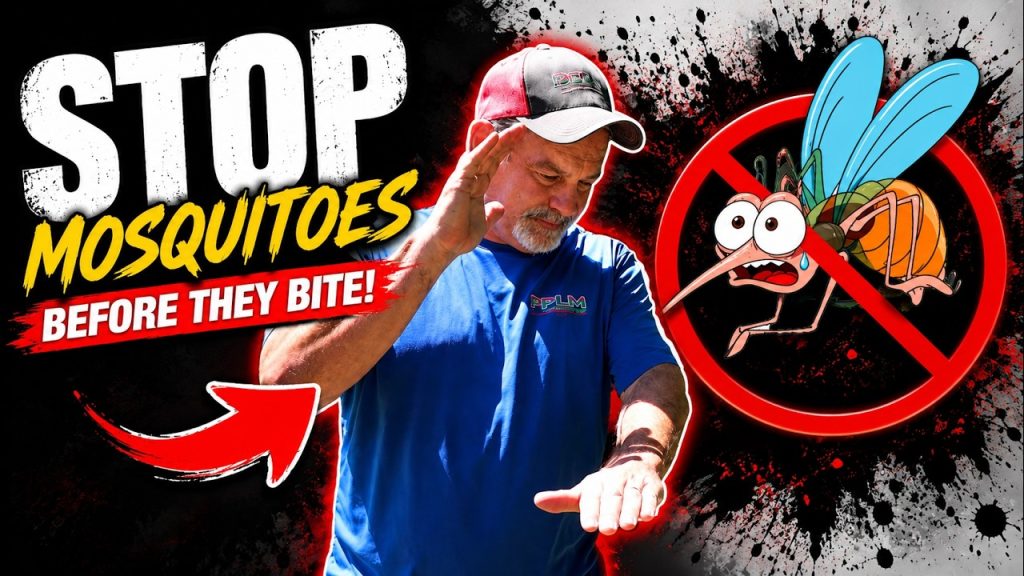
What is the best way to keep mosquitoes away at a campsite?
Treat the ground around your RV, not just your skin. That’s the short answer, and it’s what made the biggest difference for us.
Here’s some background. Besides RVing, we have a professional lawn care company, and we treat for mosquitoes in that business. So when we kept seeing people on Facebook ask how to handle bugs at the campground, we figured we’d show what we actually do.
Now, you’re always going to have a few mosquitoes. We’re outside, after all. But the goal is to keep them down to a minimum so you can enjoy your evening by the fire.
What do we use to keep mosquitoes away from our RV?
We use Tick Killz. Don’t let the name fool you, because it isn’t just for ticks.
The label lists a long line of critters, including:
- Mosquitoes and gnats
- Fleas and ticks
- Ants, spiders, earwigs, centipedes and millipedes
- Aphids, chinch bugs and whiteflies
Flies aren’t on the list. Still, at one campsite the flies were really bad, so we put it out anyway. It didn’t get rid of them, but it cut them way down. In fact, you could tell exactly where our site ended. Step off it, and it was like walking into a wall of bugs.
What Lisa loves most is that it’s all natural. It’s made from natural oils, so it smells like cedar when it goes down. Once it dries, you don’t smell anything at all. Our dogs can lay right in the grass after we spray, and that matters a lot to us.
How do you spray your RV site for mosquitoes?
You screw the bottle onto your garden hose, flip the switch and walk the site. That’s it. Here are the steps Jimmy follows:
- Hook up a garden hose. Use your utility hose, not your drinking water hose.
- Screw the sprayer bottle onto the end of the hose.
- Flip the switch and start spraying. You’ll smell cedar right away, so you know it’s coming out.
- Give the whole site a nice, even coating. Get the grass, the edges and the shady spots.
- Spray before you put your outdoor rug down. That way nothing decides to live under it.
- Turn it off, cap the bottle and save the rest for the next trip.
Setting up the hose takes longer than spraying. Once the hose was ready, Jimmy treated our whole site in about three minutes, in shorts and flip-flops.
How long does it keep mosquitoes away?
In our experience, one treatment lasts about 30 days, unless a good rain washes it out. So if storms are in the forecast that night, Jimmy holds off until the rain is done.
One bottle also goes a long way. It’s made to cover about 10,000 square feet, and a campsite is a whole lot smaller than that. Plus, here’s a little bonus for the folks who get your site after you leave. They get a bug-light site too.
Which campsites are the worst for mosquitoes?
Shady, wooded sites with tall grass and recent rain are the worst. That’s mosquito heaven.
The site we filmed at checked every box. It had seven big trees, so it stayed shady. We’d had a lot of rain the past couple of weeks, and the grass hadn’t been cut in a while. Then the weekend called for the 90s. Don’t get us wrong, we love the shade in that heat. But that’s the perfect setup for all those little aggravating critters.
So if you pull into a site like that, treat it first, before you set up chairs and rugs.
Why treat the site instead of spraying yourself?
Because you don’t have to wear it. Bug spray on your body means you smell like it all day, and then the kids need a bath before bed so it doesn’t end up in the sheets.
When you treat the site, nobody has to put anything on their skin just to sit outside. That said, if you’re heading out on a trail or traveling somewhere buggy, the CDC’s tips for preventing mosquito bites are worth a look too.
Our quick checklist to keep mosquitoes away
Here’s what we’d do again at every buggy campground:
- Check the forecast first, because rain washes the treatment away.
- Use your utility hose, never your drinking water hose.
- Spray the site before the rug, chairs and grill come out.
- Hit the shady spots and tall grass the hardest.
- Keep the bottle in a bay so it’s ready for the next trip.
Being a good neighbor matters too, so keep your spray on your own site. Our camping etiquette guide has more on the unwritten rules of the campground.
Quick answers
How do I keep mosquitoes away from my RV site? Treat the ground around your RV when you arrive. We use a cedar-oil product on a garden hose and spray the whole site before the rug goes down.
Is there a natural way to keep mosquitoes away while camping? Yes. We use Tick Killz, which is made from natural oils and smells like cedar.
How long does a campsite treatment last? For us, about 30 days, unless heavy rain washes it out.
Is it safe around dogs? We spray our site and our dogs lay in it right after. That’s one of the big reasons we use it.
Does it work on flies? Flies aren’t on the label, but it cut the flies way down at one of our sites.
Come sit by the fire with the village (bug-free)
There’s nothing better than sitting outside with friends and no mosquitoes buzzing your ears. That’s what we want at our campouts, and we’d love for you to pull up a chair.
Come find us at a FindUsCamping campout, join the FindUsCamping Villagers group on Facebook, or follow along on YouTube. You can also grab our village newsletter to see where we’re headed next. And now you’ll know how to keep mosquitoes away when you get there. Safe travels, y’all.
Village Welcome
Pull Up a Chair by the Fire
Get campout news, RV Crawl invites and Village stories in your inbox. No spam, just friends saving you a seat.